If you read our guide to treating pigmentation in San Diego, you already know the basics: sunscreen every day, introduce actives slowly, treat breakouts before they leave a mark. That part’s on you, at home, every single day.
But here’s the part sunscreen can’t do on its own.
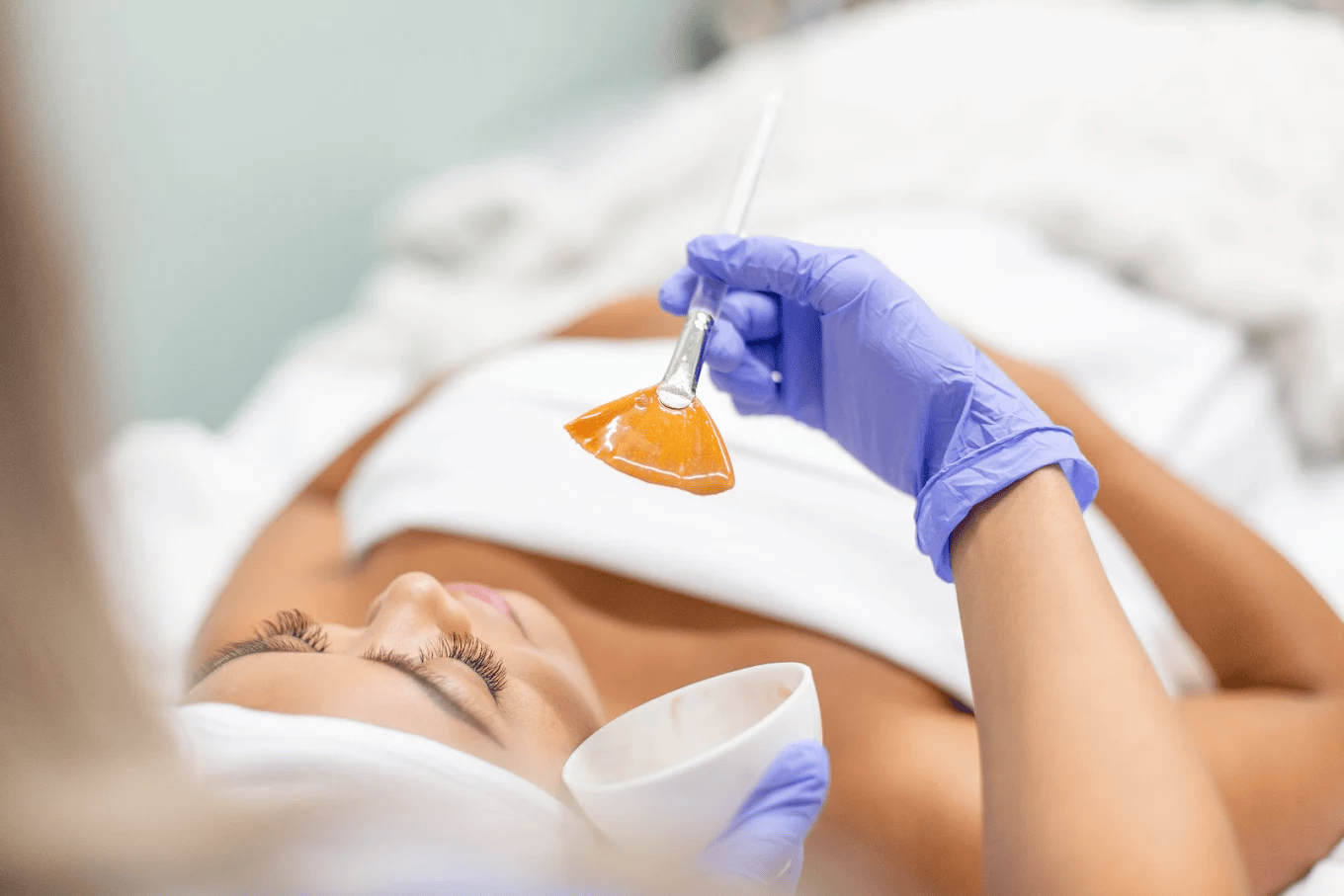
Once pigment has already set in, fading it usually takes more than a good home routine. It takes the right in-office add-ons, used at the right time, in the right order. This is the part your esthetician handles.
Why Add-Ons Matter for Pigmentation
Your skin renews itself on its own, just slowly. Add-ons work by speeding up that process, encouraging the pigmented layers to shed faster and make room for fresh, more even-toned skin underneath.
Used correctly, add-ons target pigment directly instead of just sitting on top of it. Used incorrectly, or too often, they create the exact inflammation that makes pigment worse in the first place.
That’s why we don’t recommend piling on every add-on at once. We rotate them.
The Add-Ons We Build Onto Your Honest Essential
These pair with your Honest Essential Facial and are the ones we reach for most often on pigmentation-prone skin.
Nano Infusion. This gently stimulates the skin to support cellular turnover, encouraging a more even tone over time. It also helps calm inflammation, which matters because inflammation is what darkens pigment in the first place.
Vivant Mandelic 30% “No-Peel.” A no-downtime chemical exfoliation that still increases cell turnover. Mandelic acid specifically targets dark spots and uneven tone, and most clients see visible lightening within five to seven days after treatment.
Raspberry Pro Enzyme. A brightening, antioxidant-rich exfoliating mask. It’s gentler than the two above, which makes it a good option when your skin needs brightening without more aggressive exfoliation.
When You Need More: The Honest Renewal Chemical Peel
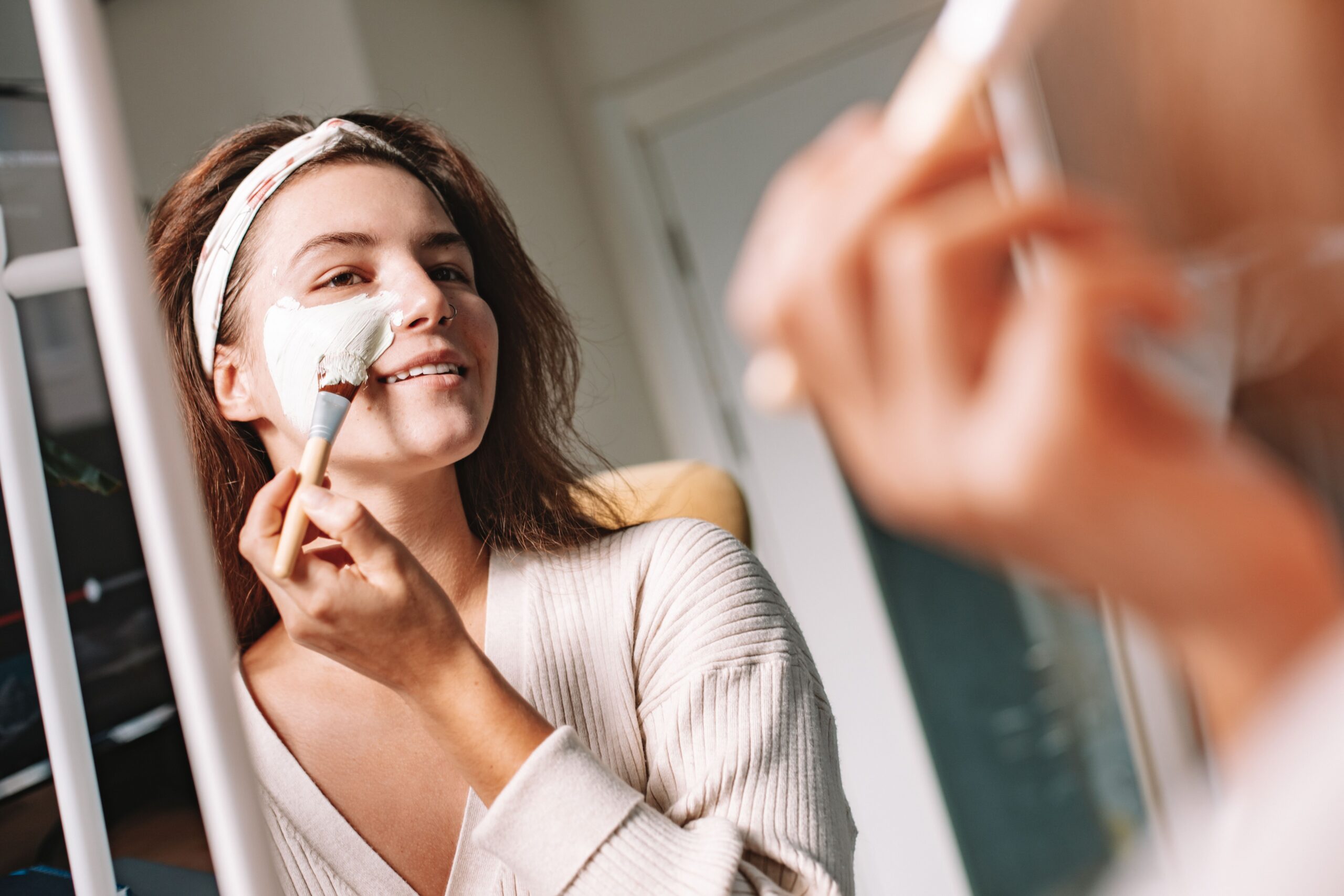
Some pigment, especially melasma or deeper sun damage, needs a heavier-duty approach. That’s where the Vivant PROPEEL comes in, the chemical peel we use as part of the Honest Renewal Facial ($275).
This one’s different from the no-downtime add-ons above. It’s a four-step, customizable peel that we position at the end of a deep cleansing facial, and it does involve real downtime. Your skin will visibly shed and peel over the days that follow.
That downtime is the point. It’s what reveals the fresher, more even-toned layer underneath, and it’s why this peel diminishes the appearance of sun damage, hyperpigmentation, and melasma more noticeably than a no-downtime add-on can.
How to Rotate These Throughout the Year
San Diego doesn’t really give your skin an off-season. The sun is a near-constant, which means pigment triggers don’t take a break either. That’s exactly why we treat these add-ons as something to rotate, not something to pick once and repeat forever.
A typical rhythm looks like lighter, no-downtime add-ons (Nano Infusion, the Mandelic No-Peel, or the Raspberry Enzyme) in the months you want to stay consistent with no visible recovery, and a heavier treatment like the Vivant PROPEEL scheduled for a stretch when you can let your skin fully shed and recover, usually when you have a few days of downtime to spare and less direct sun exposure planned.
Your esthetician can help you build the actual cadence based on your pigment type and how your skin responds, but as a starting point: no-downtime add-ons can generally be rotated in every few weeks, while a full peel is usually spaced out over months, not weeks.
Frequently Asked Questions
How often should I get a pigmentation add-on?
It depends on the add-on and your skin’s tolerance. No-downtime options like Nano Infusion or the Mandelic No-Peel can typically be added on every few weeks. A full chemical peel needs more spacing, usually months apart, to let your skin fully recover between treatments.
Do these add-ons hurt or require downtime?
Nano Infusion, the Mandelic No-Peel, and the Raspberry Enzyme are all no-downtime add-ons. The Vivant PROPEEL is the exception. It involves visible shedding and peeling over the days following treatment.
Can I do more than one add-on in the same visit?
Not usually, and this is exactly why rotating matters. Stacking too many actives or exfoliating treatments in one visit raises inflammation, which can worsen pigment instead of fading it. Your esthetician will recommend one add-on per visit based on where your skin is at.
Will these add-ons work without a home routine?
No. Add-ons speed up what’s already happening in the skin, but daily sunscreen and a consistent, personalized routine at home are what protect those results. Skip the sunscreen and new pigment will keep forming as fast as the add-ons fade the old.
How do I know which add-on is right for my skin right now?
Ask at your next visit. What your skin needs can change from one appointment to the next depending on sun exposure, breakouts, and how your skin responded to the last treatment.
Ready to Build Your Pigmentation Plan?
The right add-on depends on your pigment type, your skin’s tolerance, and where you’re at in your routine, which is exactly the kind of thing worth asking your esthetician in person rather than guessing at home.
Book at Point Loma: booking.mangomint.com/honestskin/pointloma
Book at Rancho Bernardo: booking.mangomint.com/honestskin/ranchobernardo
Haven’t already? Start with our guide to identifying your pigmentation type so you know what you’re treating before your next visit.