Let’s be honest—if there’s a new “anti-aging breakthrough,” San Diego is going to hear about it fast. Between wellness culture, beach lifestyles, and year-round sunshine (hello, UV exposure), looking fresh and feeling confident is practically a local sport.
Lately, injectable peptides like BPC-157, Sermorelin, and GLP-1 have entered the chat. They’re being called everything from “longevity hacks” to “anti-aging superweapons.” On TikTok? They’re viral. In biohacker forums? Practically worshipped. In med spa conversations? Complicated.
So… are injectable peptides the real deal for skin longevity? Or is this just another trend dressed up in science-y language?
Let’s break it down.
First Things First: What Are Injectable Peptides?
Peptides are short chains of amino acids—basically tiny building blocks of proteins. Your body already makes them. They help regulate hormones, inflammation, healing, collagen production, and more.
Injectable peptides are lab-created versions designed to influence specific biological processes. Instead of applying something topically, these are injected to work internally.
The ones trending right now?
- BPC-157 – Often associated with tissue repair and inflammation control
- Sermorelin – A growth hormone–releasing peptide
- GLP-1 agonists – Originally developed for blood sugar regulation and weight loss
But here’s the twist: none of these were originally designed specifically for skin.
That’s where things get interesting.
BPC-157: The “Healing Peptide”
BPC-157 (Body Protection Compound) is often marketed as a tissue-repair superhero. Some early research suggests it may support:
- Injury recovery
- Inflammation reduction
- Gut repair
- Cellular healing
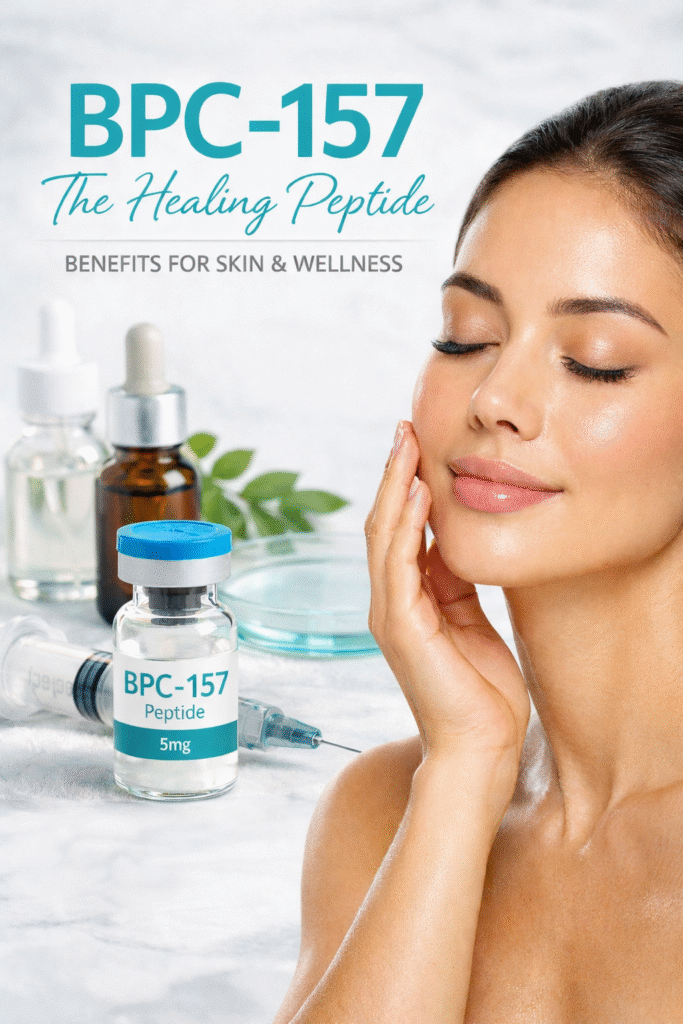
Naturally, the leap to anti-aging happened quickly. The thinking goes: if it helps tissues heal, maybe it helps skin regenerate too?
Here’s the reality:
While animal studies show promise, large-scale human clinical trials for cosmetic skin rejuvenation are limited.
That doesn’t mean it’s useless. It just means the anti-aging claims are ahead of the research.
Sermorelin: The Growth Hormone Conversation
Sermorelin stimulates the release of growth hormone (GH). And growth hormone is closely tied to:
- Collagen production
- Skin thickness
- Elasticity
- Muscle tone
As we age, GH levels naturally decline. So boosting it sounds like a no-brainer, right?
Well… not so fast.
Growth hormone therapy has been studied for aging, but results are mixed. Some people report improved skin firmness. Others see minimal cosmetic change. And in California, peptide injections must be prescribed and monitored by licensed professionals.
It’s not a DIY skincare serum. It’s a medical intervention.
GLP-1: The Weight Loss Cross-Over
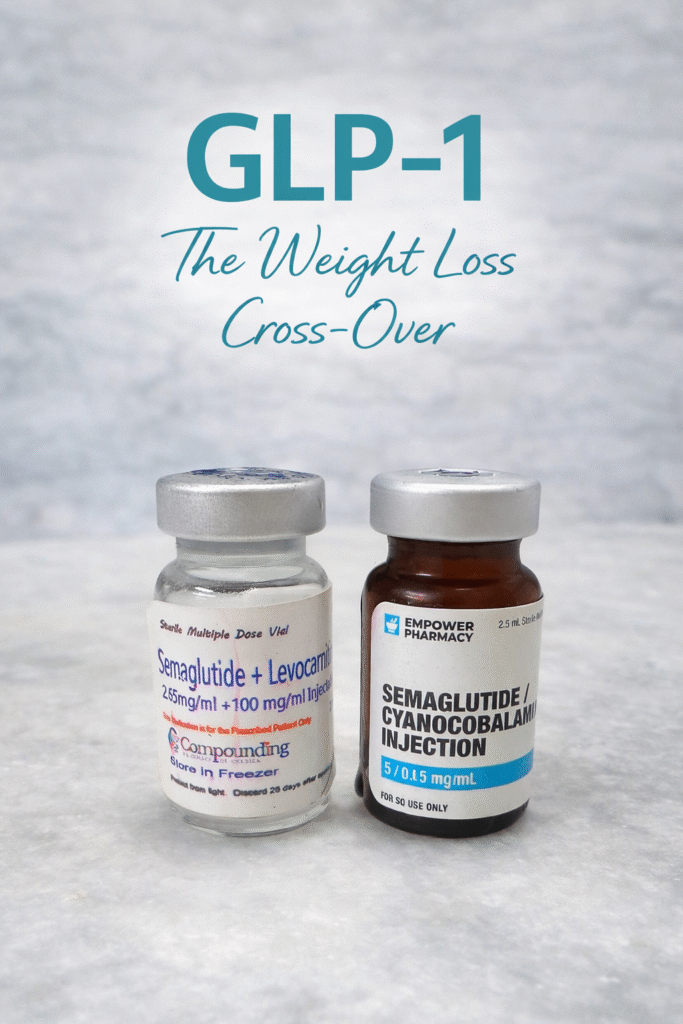
GLP-1 agonists (like semaglutide) are dominating headlines for weight loss. And yes, weight changes can impact skin.
Here’s what’s happening in real life:
- Rapid weight loss = volume loss in the face
- Volume loss = sagging or hollow appearance
- People then seek skin tightening or rejuvenation treatments
Ironically, GLP-1 medications may increase demand for professional facial treatments.
In San Diego, where aesthetics matter and beach days are year-round, this has become a real conversation.
The “Peptide Gray Market” & DIY Culture
Now let’s talk about the elephant in the room.
Online, there’s a booming “peptide gray market.” People are:
- Ordering research peptides online
- Mixing and self-injecting at home
- Sharing protocols on Reddit and TikTok
That’s… risky.
Peptides sold as “research chemicals” are not FDA-approved for cosmetic use. Purity, dosage accuracy, and sterility can’t always be verified. And in California, self-injecting non-prescribed compounds carries legal and health risks.
Social media makes it look easy. It’s not.
When it comes to your skin—and your health—DIY experimentation isn’t the glow-up shortcut it seems.
So… Are Injectable Peptides the New Anti-Aging Superweapon?
Here’s what most skin professionals will tell you:
They’re promising.
They’re intriguing.
But they’re not magic.
Anti-aging isn’t one single lever you pull. It’s a combination of:
- Collagen stimulation
- Sun protection
- Consistent skin renewal
- Healthy lifestyle habits
- Professional guidance
Injectable peptides may become a bigger part of longevity medicine in the future. But right now? They’re still evolving.
What Actually Works for Skin Longevity?
If your goal is firmer, smoother, brighter skin—there are proven, non-gray-market options that deliver results without the guesswork.
At a professional facial spa level, skin rejuvenation focuses on stimulating your skin’s natural processes safely and effectively.
Here’s what consistently works:
✨ Custom Facials
Tailored treatments support barrier repair, hydration, and long-term skin health. No hype—just smart skin science.
✨ Chemical Peels
Encourage cell turnover, improve texture, and stimulate collagen production. A gold standard for anti-aging.
✨ Dermaplaning
Removes dead skin and vellus hair, instantly brightening the complexion and improving product absorption.
✨ Enzyme Treatments & Jelly Masks
Gentle resurfacing and deep nourishment—perfect for maintaining glow without aggressive downtime.
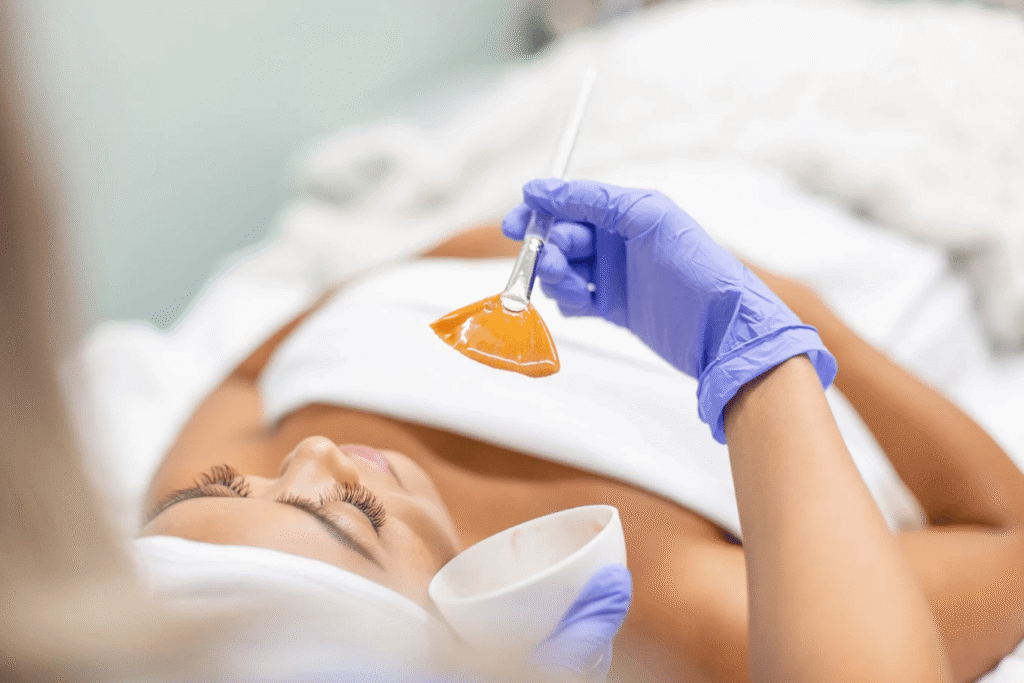
✨ Nanoneedling
A subtle collagen-stimulating treatment that enhances product penetration and improves fine lines over time.
✨ Oxygen Treatments
Boost circulation and hydration, giving skin that fresh, San Diego “post-beach glow”—without the sun damage.
Notice something? These treatments work with your skin—not by overriding your hormones.
Why San Diego Skin Needs a Thoughtful Approach
Let’s talk local reality.
San Diego sunshine is beautiful—but UV exposure accelerates:
- Collagen breakdown
- Hyperpigmentation
- Fine lines
- Loss of elasticity
Before jumping into hormone-altering peptides, addressing sun damage and skin barrier health is often step one.
According to the American Academy of Dermatology (aad.org), daily SPF and professional skin treatments remain the foundation of anti-aging.
There’s no injectable shortcut around UV damage repair.
Expert Insight: What Clients Should Ask
If you’re considering injectable peptides, ask:
- Is this FDA-approved for cosmetic use?
- What clinical evidence supports skin benefits?
- Who is prescribing and monitoring it?
- What are the long-term risks?
- Are there non-invasive alternatives?
If a provider can’t clearly answer those questions? That’s a red flag.
The Bigger Picture: Trends vs Timeless Skin Health
Here’s the truth no one on TikTok loves to say:
Longevity is slow.
Skin health is cumulative.
Consistency beats hype.
Peptides might become a valuable medical tool. But glowing, confident skin? That’s built through thoughtful, professional care.
There’s something powerful about building an honest relationship with your skin—understanding what it needs, not just chasing what’s trending.
FAQs About Injectable Peptides & Skin
Are injectable peptides safe?
When prescribed and monitored by licensed medical professionals, some peptides may be safe for specific uses. DIY or gray-market peptides carry significant risks.
Do peptides increase collagen?
Some peptides may indirectly influence collagen production, especially growth hormone–related ones. However, evidence for cosmetic skin transformation is still emerging.
Are peptides better than facials or chemical peels?
Not necessarily. Professional skin treatments directly target texture, tone, and collagen stimulation in proven ways.
Why are peptides trending now?
Biohacking culture, anti-aging obsession, GLP-1 popularity, and social media have amplified interest.
Should I try peptides for anti-aging?
That depends on your goals, medical history, and risk tolerance. Consulting a licensed provider is essential.
The Bottom Line: Is This the Future of Anti-Aging?
Injectable peptides aren’t snake oil. They’re not miracle cures either.
They sit somewhere in the middle—promising, evolving, and sometimes overhyped.
If your goal is glowing, healthy, resilient skin in San Diego’s sunny climate, the foundation remains:
- Professional guidance
- Customized treatments
- Collagen stimulation
- Consistency
- Sun protection
Trends will come and go. Skin health? That’s long-term.
And honestly? There’s nothing more powerful than treatments tailored specifically to you—your skin type, your lifestyle, your goals.
Because at the end of the day, anti-aging isn’t about chasing the newest superweapon.
It’s about building an honest relationship with your skin—and feeling confident in it.